Scientists Develop a Unique Model of the Human Small Intestine — It Could Replace Animal Testing
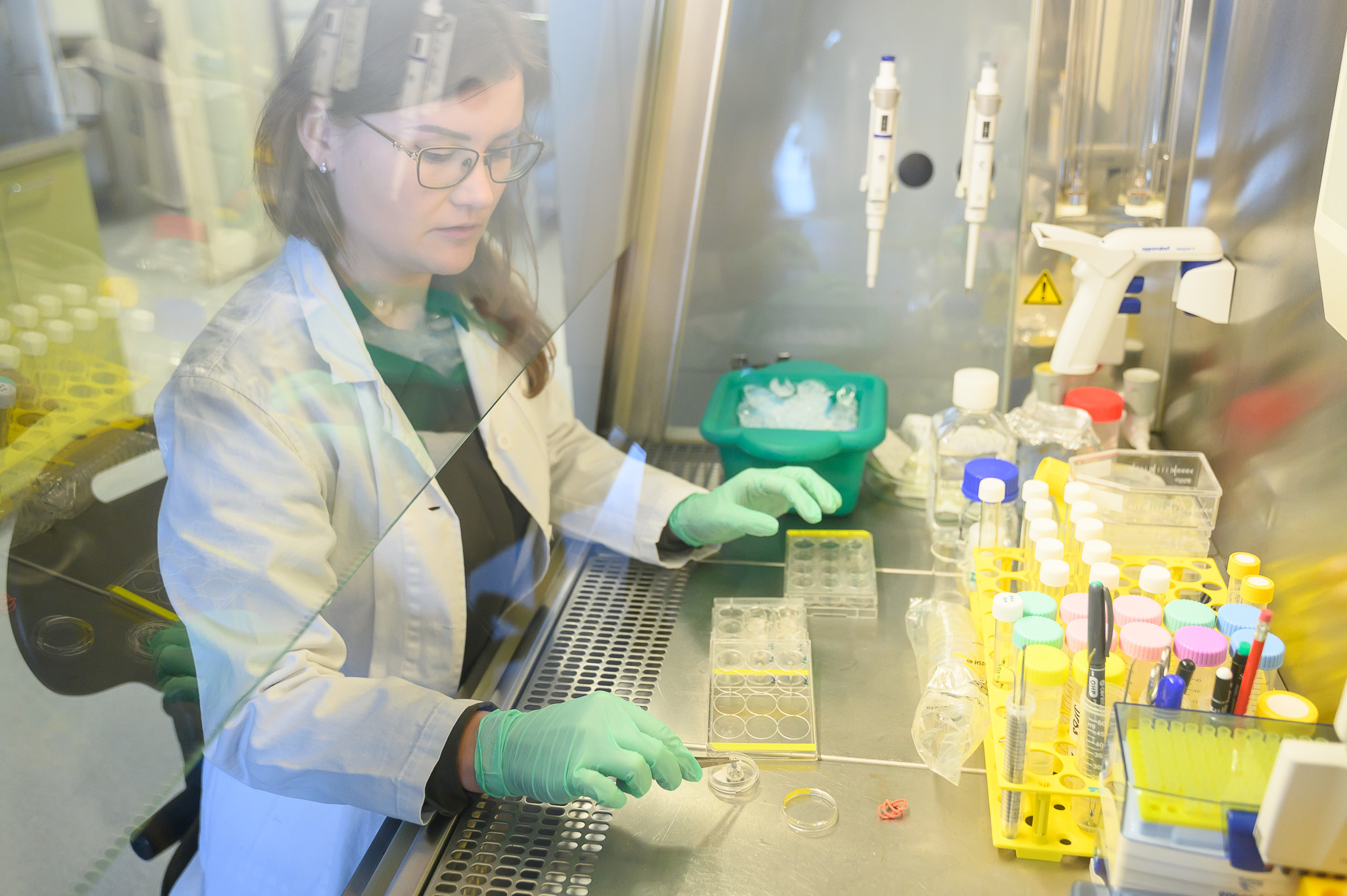
22. January 2026A scientific team from the Faculty of Technology (FT) and the Centre of Polymer Systems (CPS) at Tomas Bata University (TBU) in Zlín, led by Prof. Petr Humpolíček, is conducting a new three-year project in collaboration with the Institute of Biophysics of the Czech Academy of Sciences, supported by the Czech Science Foundation (GAČR). The goal of the project, titled EXIT & SIT: Ex vivo Models of the Small Intestine, is to create an advanced laboratory model of intestinal tissue that faithfully replicates the structure and function of the human small intestine.
A model that mimics reality
Modern biomedical research increasingly replaces animal experiments with so-called in vitro models—laboratory-created systems that simulate living tissues or organs. For simpler tissues, such as skin or respiratory epithelium, such models are already commonly available. However, in the case of more complex organs like the small intestine, the development of these systems still faces significant technological and biological challenges.
“The small intestine is an extremely complex tissue—it contains several types of cells with diverse functions, and moreover, the cells change depending on the part of the intestinal wall in which they are located. There are also differences in the extracellular matrix, mechanical properties, and the effects of growth factors. Replicating such a system outside the body is challenging, but that is precisely what we aim to achieve in this project,” explains Prof. Humpolíček.
Hydrogel scaffolds and 3D villi structures
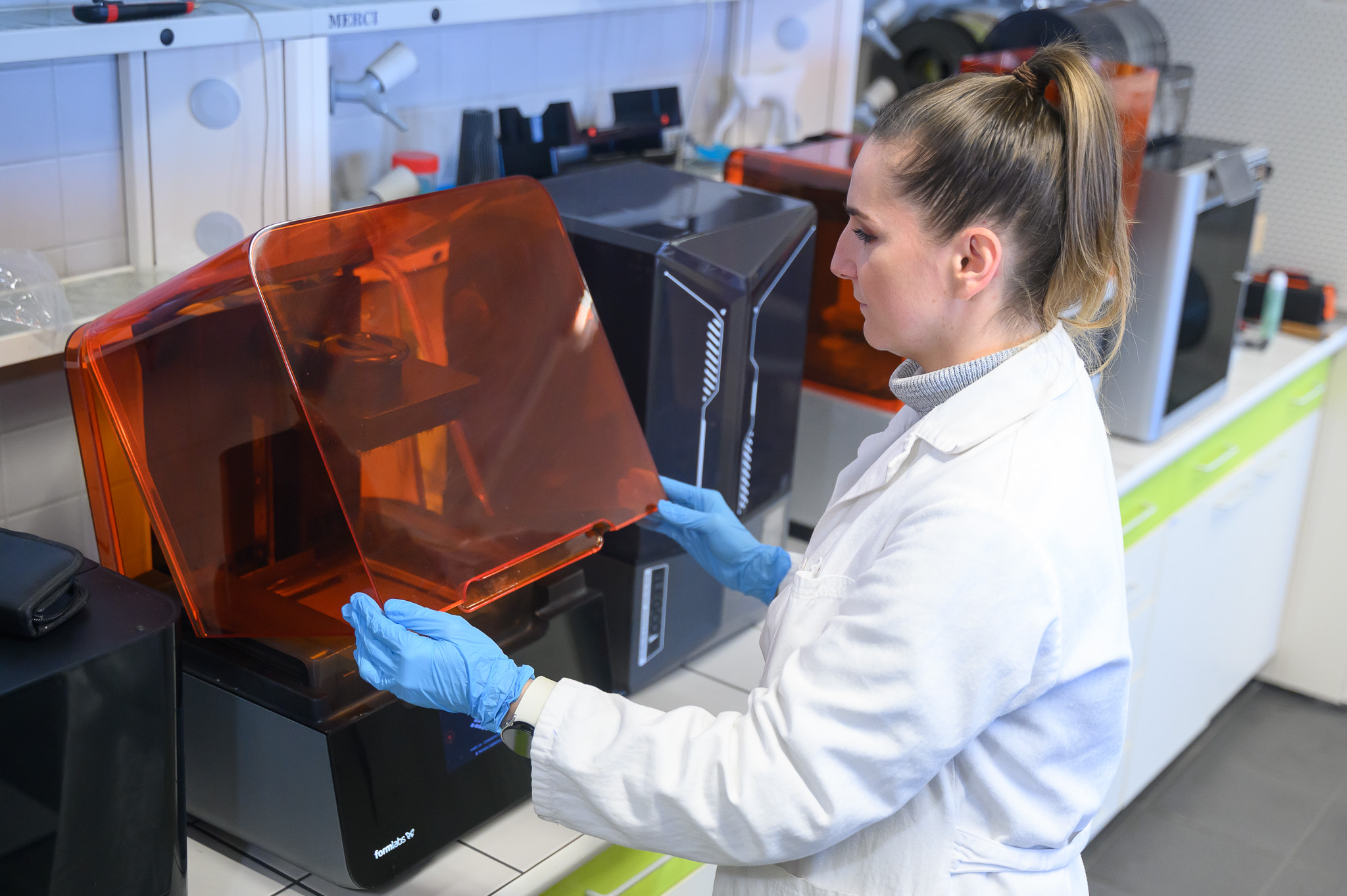
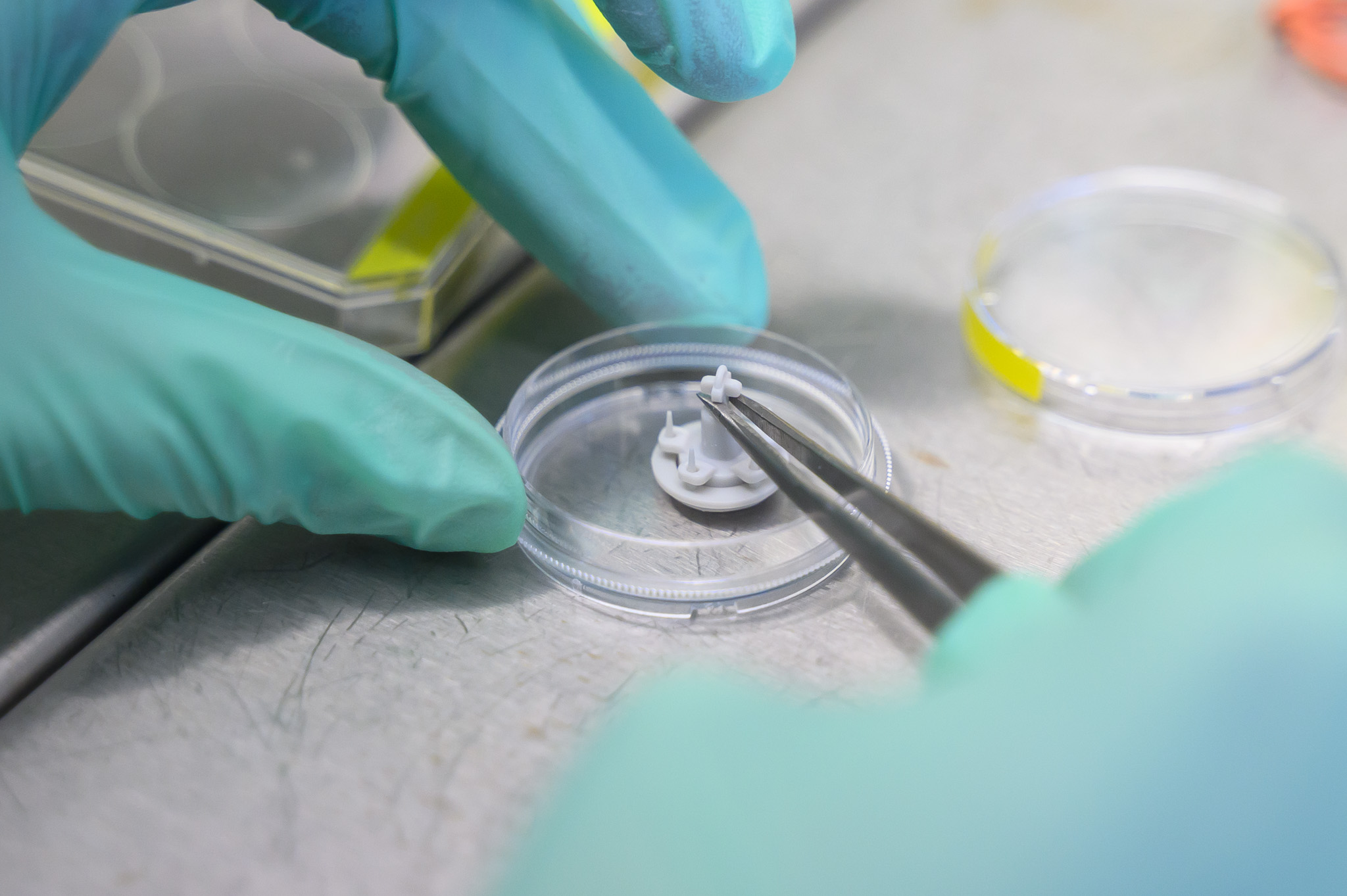
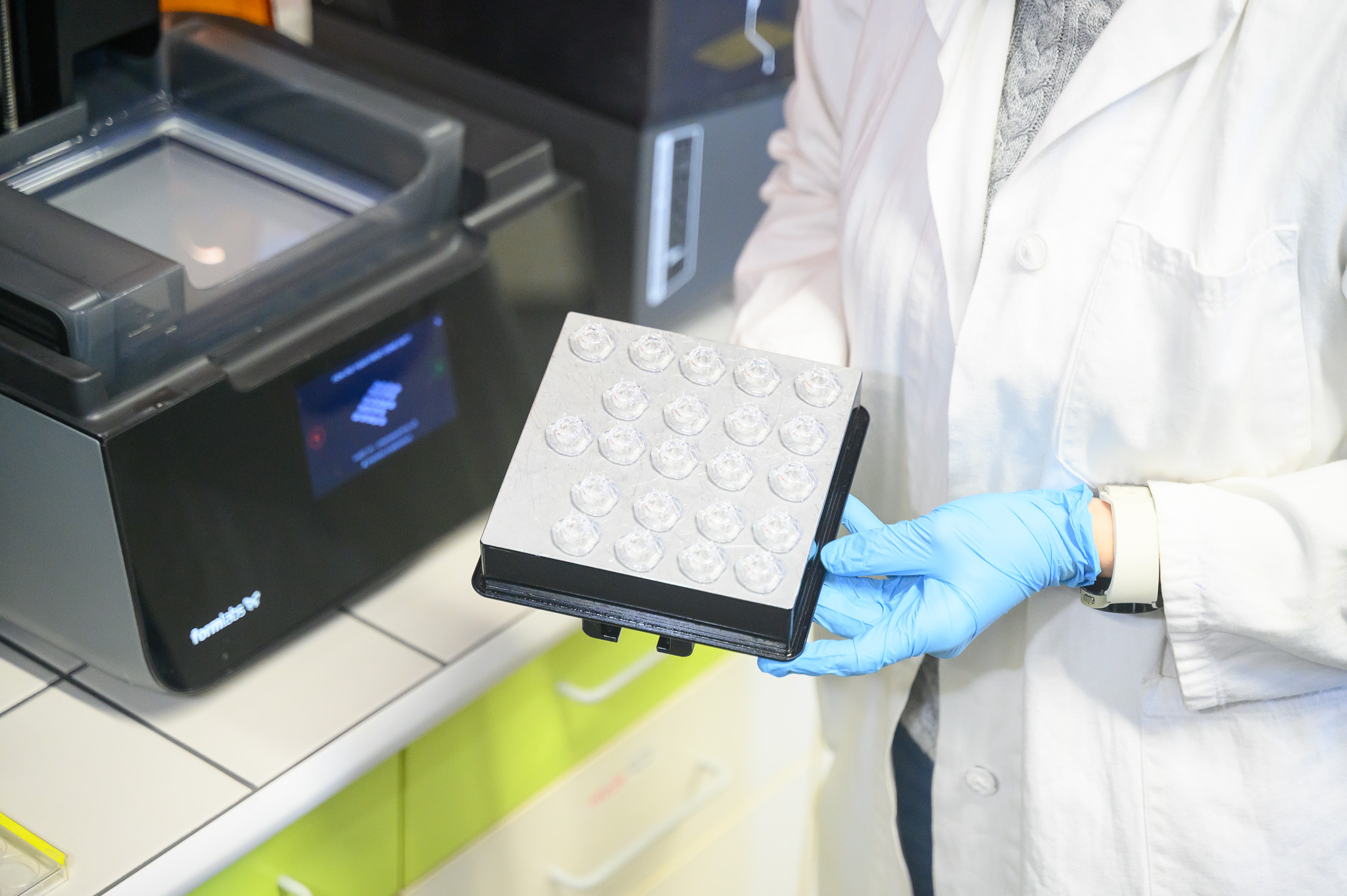
The basis of the new model will be so-called hydrogel scaffolds—supporting materials structured into layers that mimic the individual parts of the intestinal wall. These layers will have different compositions, chemical and mechanical properties, and will be populated with specific cell types forming the intestinal lining. Using specially designed 3D-printed molds, it will be possible to create villi and crypts—characteristic structures of the small intestine—with micrometer precision.
Thanks to unique layering technology and chemical crosslinking, it will be possible to create controlled gradients of growth factors, mechanical properties, and extracellular matrix composition within the material—key signals that guide cell behavior.
“Our goal is for the cells in the model to ‘think’ they are at home—in the right layer, with the right support and signals. Only then can we obtain answers we can trust,” says Petr Humpolíček, the project’s principal investigator from the Faculty of Technology at TBU.
Not only cells but also the microbiome
The project also involves a team from the Institute of Biophysics of the Czech Academy of Sciences, contributing its expertise in intestinal cells and research of inflammatory diseases such as Crohn’s disease.
An interesting aspect of the project is the effort to incorporate the intestinal microbiome—naturally occurring microorganisms that have a crucial impact on digestive health. “We want to create a microbial biofilm on the surface of the model. Combined with microfluidics simulating the flow of intestinal contents, this will result in a complex system very close to reality,” adds Prof. Humpolíček.
Applications in pharmacy and medicine
The developed model may have broad applications: in pharmacy for testing new drugs, in studying inflammatory bowel diseases, and in fields such as nutrition or toxicology. Since it is an ex vivo model that does not require the use of laboratory animals, it also has a significant ethical impact.
The project has been supported by the Czech Science Foundation with a grant of 11 million CZK and will run until the end of 2027.